
How to Practice Good Dental Hygiene
Daily Habits for a Healthier Smile
At Arizona Dental, we believe that good dental hygiene is the cornerstone of long-term oral health. While regular professional cleanings and checkups are essential, what you do at home every day makes the biggest difference in preventing decay, gum disease, and costly dental problems.
This guide will walk you through how to maintain effective dental hygiene at home—so your teeth, gums, and smile stay healthy for life.
Why Dental Hygiene Matters
Poor oral hygiene allows plaque, a sticky film of bacteria, to build up on your teeth and gums. Over time, this can lead to:
- Cavities
- Gum disease
- Bad breath
- Tooth loss
- Increased risk for heart disease, diabetes, and other systemic conditions
Daily dental hygiene helps remove plaque, strengthen enamel, and keep your entire mouth in optimal condition. When paired with routine visits to your dentist, these habits form a powerful defense against oral disease.
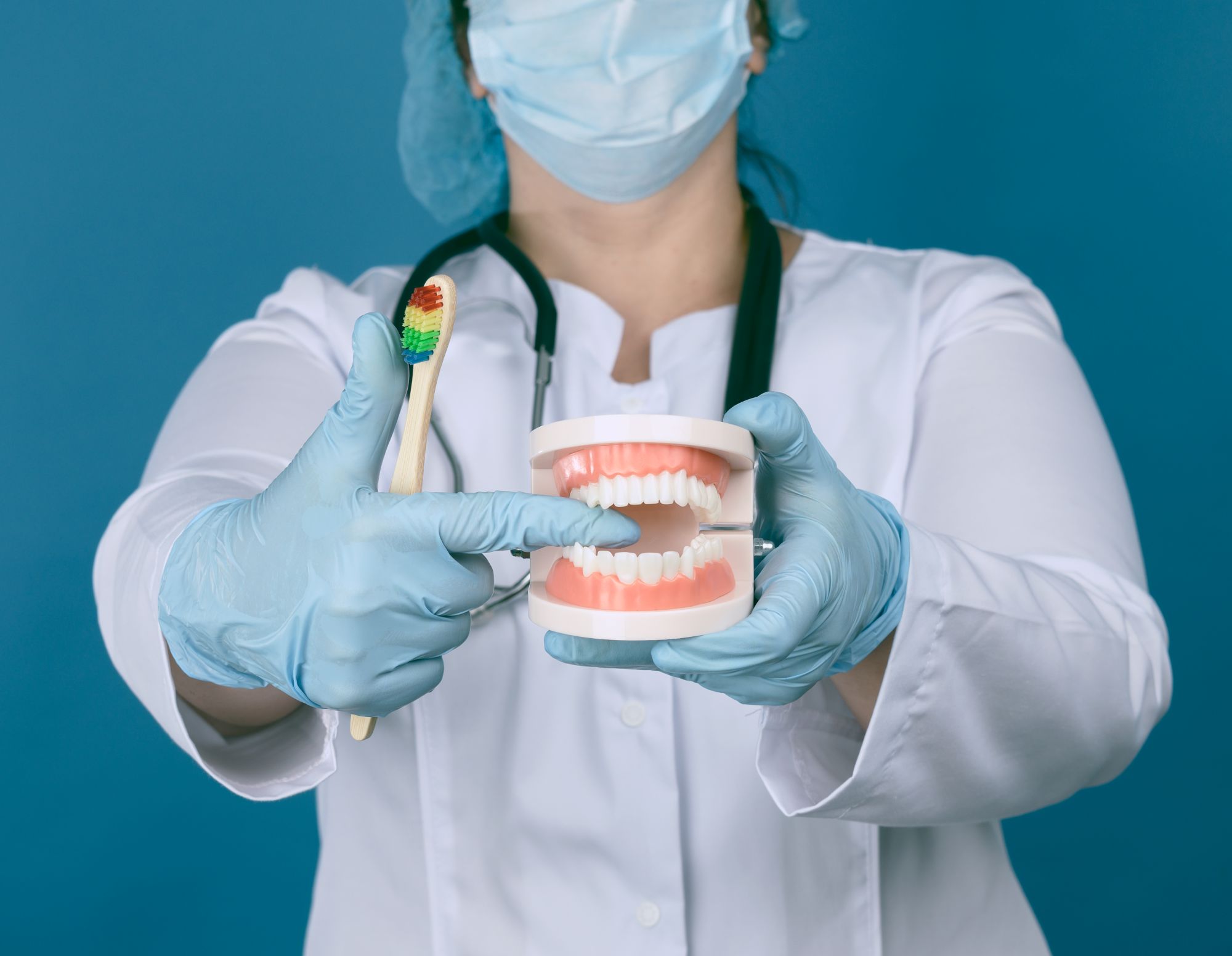
Daily Oral Hygiene Habits for a Healthy Smile
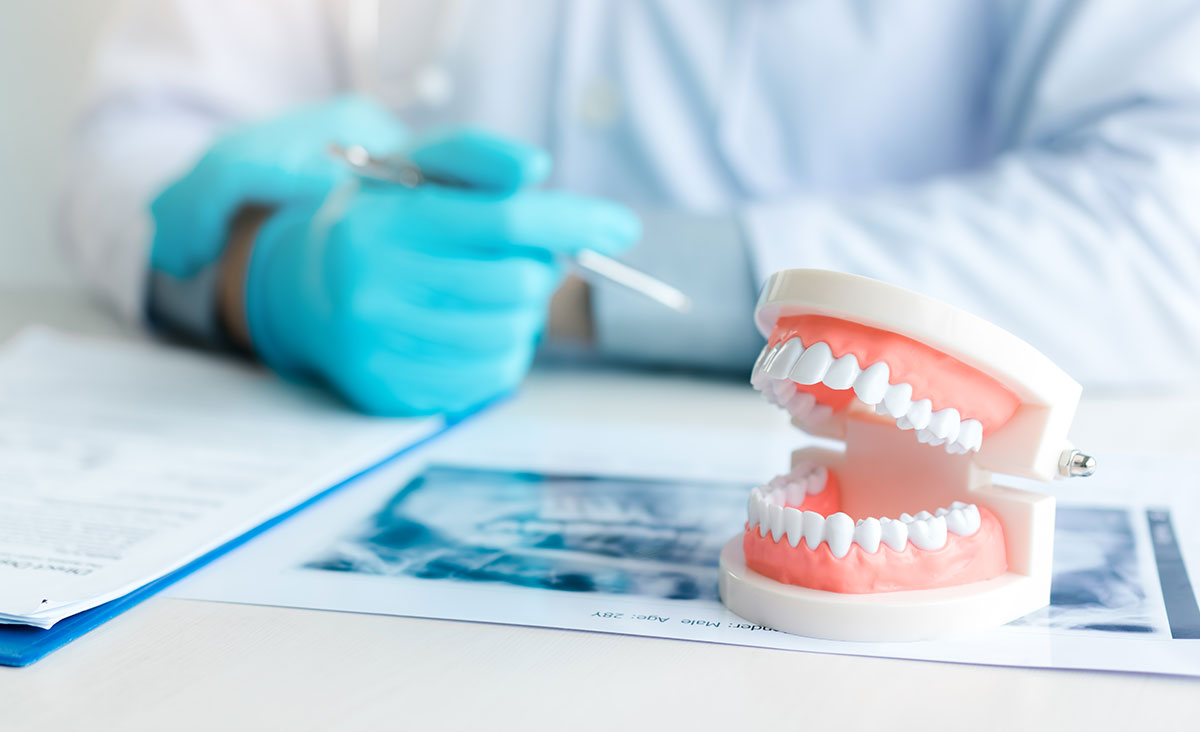
Brushing removes plaque and food particles from your teeth, but technique matters just as much as frequency.
- Use a soft-bristled toothbrush and fluoride toothpaste
- Brush for two full minutes, morning and night
- Hold the brush at a 45-degree angle to the gums
- Use gentle, circular motions on all tooth surfaces
- Brush your tongue to reduce bacteria and bad breath
Electric toothbrushes are recommended for more thorough cleaning with minimal effort.
Flossing removes plaque and debris from between teeth that brushing alone cannot reach.
- Use about 18 inches of floss
- Curve floss into a “C” shape around each tooth
- Avoid snapping floss into the gums
- Use a clean section of floss for each tooth
If traditional floss is difficult, floss picks, interdental brushes, or water flossers are good alternatives.
Mouthwash helps reduce harmful bacteria and reaches areas brushing and flossing may miss.
- Choose a non-alcoholic, ADA-approved mouthwash
- Swish for 30 seconds after brushing and flossing
- Avoid eating or drinking for 30 minutes afterward
Mouthwash is not a substitute for brushing or flossing, but it enhances your routine.
Saliva plays an important role in protecting teeth and supporting enamel health.
- Drink water consistently throughout the day
- Limit soda, coffee, and energy drinks
- Chew sugar-free gum to stimulate saliva if you have dry mouth
Your diet directly affects your dental health and enamel strength.
- Limit sugary snacks, sticky candy, and acidic beverages
- Choose crunchy fruits and vegetables
- Eat calcium-rich foods like dairy and leafy greens
- Favor whole grains and water
A balanced diet supports healthy gums and strong enamel.
Worn toothbrush bristles can’t clean effectively and may irritate gums.
- Replace toothbrushes or electric brush heads every 3–4 months
- Replace sooner if bristles are frayed or after illness
- Store upright and allow brushes to air dry
Professional dental exams and cleanings are essential even with great home care.
- Remove hardened tartar
- Screen for cavities and gum disease
- Evaluate brushing and flossing technique
- Provide personalized oral care recommendations
- Apply fluoride treatments or sealants when needed
Routine checkups help prevent small problems from becoming major dental issues.